
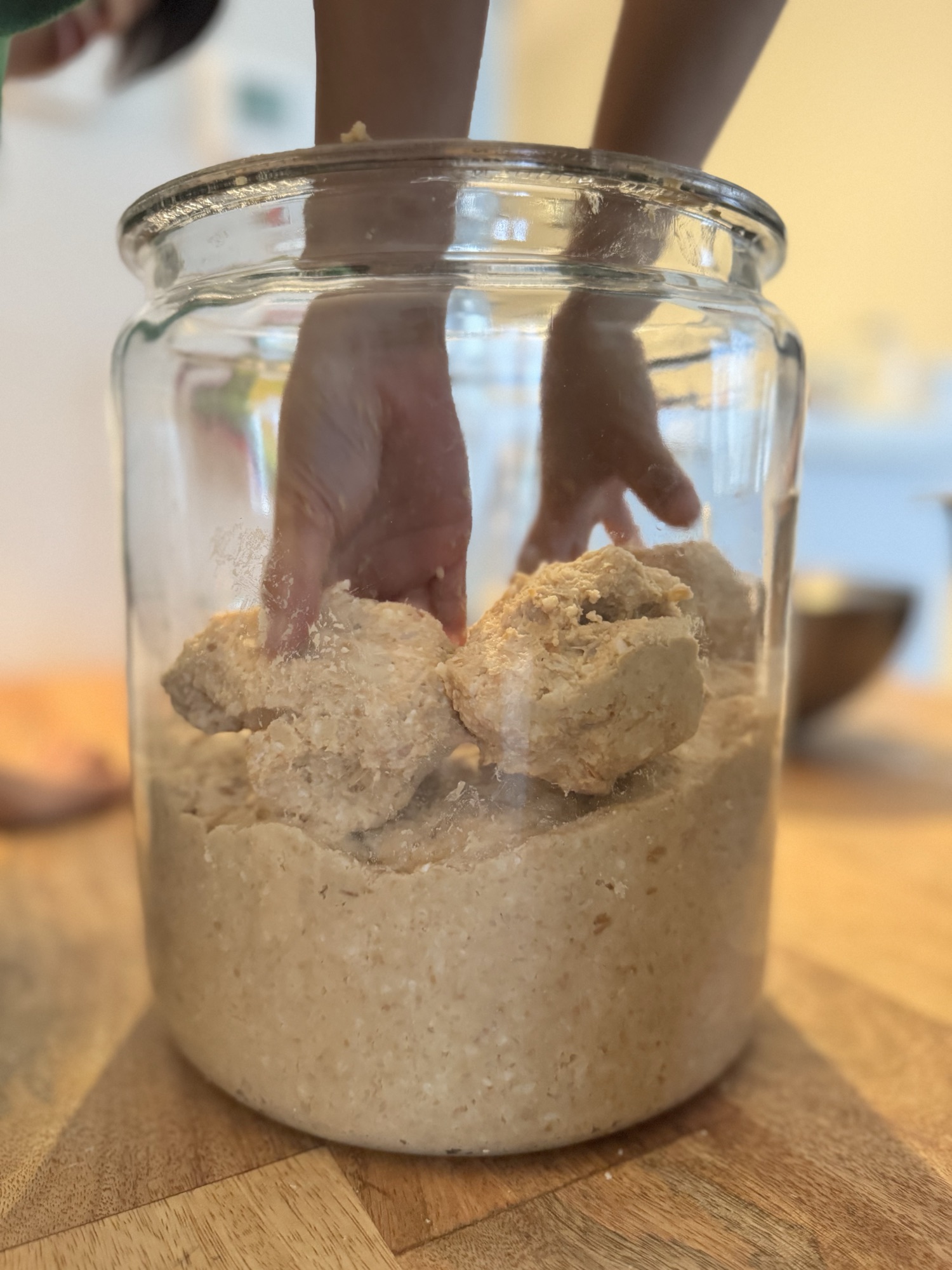
Miso can be made at home.
I had known that for a long time.
My mother had told me that my grandmother used to make it.
I never saw it myself. I knew it as a story.
On the grounds of my mother’s family home, she said, there was an uncle who could make just about anything.
I have never met him.
And yet I can picture the place. Because my mother told me about it, many times.
In those days, I think, it was not sold.
And even if it was, you could not get it in the countryside.
So they made it.
―― But then, I think.
Needing something does not mean anyone can simply make it.
Someone must have taught him.
He must have done it many times, failed, and repeated it until his hands remembered.
That must be how he came to be able to.
It was not that it came naturally.
He built it up, until it looked as if it came naturally.
That time cannot be seen from outside.
Behind the story I had heard, of “an amazing person who could make anything,”
there was time spent being taught, and time spent repeating.
I had received only the story
I had made miso before.
It was fun. It was delicious. And that was all.
For me, it was “an experience.”
Something enjoyable to try. Something outside the everyday.
It did not come into my daily life.
I had received the story, but I had not received the time.
While I searched, what I was searching for changed
My own ill health. What I was eating.
The more I looked into it, the more there was that I did not know.
At first, it was for myself.
But after I had a child, what I was looking at began to change.
What is it that builds this child’s body, every day?
Where did the things my family puts in their mouths come from?
Standing in a store with those thoughts, wishes come up: I want to use this; I want something made in this way.
―― It is not for sale.
I looked everywhere. What I wanted my family to eat was not sold.
I want to make it, I thought.
It was not a conclusion I reached by thinking.
Nor was it “I suppose I have no choice.”
Something pushed up from deep in my body.
This is something Japanese people have handed down for a long time.
Something my grandmother made, and that uncle made.
And I have not yet received it.
What I have not received, I cannot hand to this child.
Once I thought that, I could not sit still.
Convenience adds to what we cannot do
When was it that we stopped making things?
If someone says it is because life became convenient, I think that is so.
In fact, I have been helped by it too. I can live as I do because I can buy.
But I also think this.
Once we can buy it, we stop making it.
Once we stop making it, we stop being taught.
What is no longer taught does not pass to the next generation.
Convenience may be, in a sense, a steady adding to “what we cannot do.”
It is not that the skill disappears.
The time for handing it over is what goes first.
I decided: a year’s worth
That winter, I made miso.
The method was the same as before. Boil the soybeans, mash them, mix in koji and salt.
What was different was the amount.
I decided on a year’s worth, and made that.
Not as an experience. As part of what we eat.
And I made it again the next year. And the year after.
With each year, my hands remembered more.
I know the order of the work. I begin to see where I can ease off.
―― Ah, so this is it, I thought.
So this was the kind of time that uncle had been building up.
Now, my child is beside me.
There are more hands mashing the soybeans.
Something Japanese people have cared for over a long time, I became able to do with my own hands.
And I became able to hand it on.
When I think of that, something rises up from around my chest.
(―― What became of that miso, I will write another time.)
JOURNAL
Other stories
A first-grader had become a fourth-grader
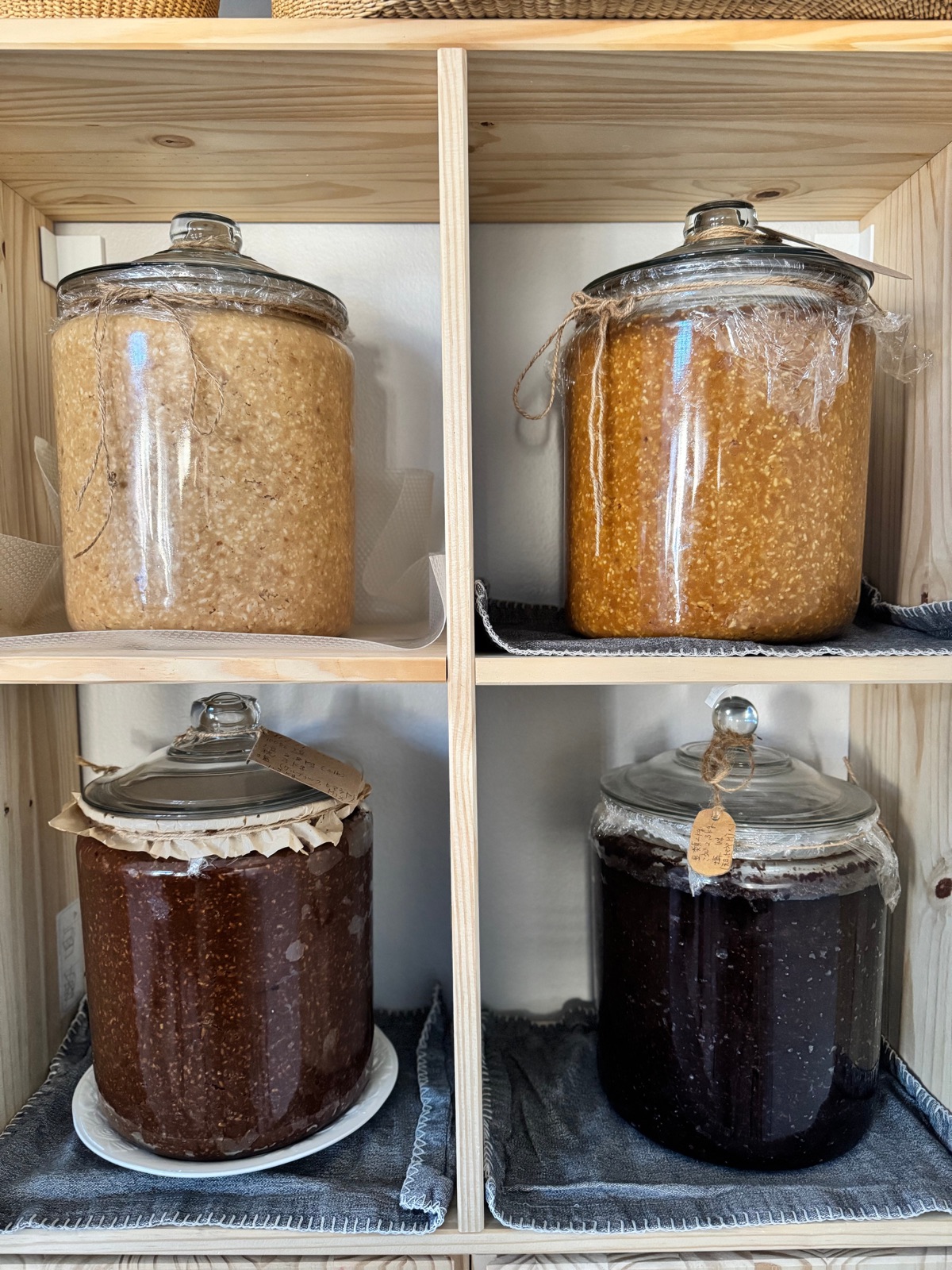
The miso I made was pale. Quite different from the colour I was used to seeing on the shelf.
What I wanted was not for sale
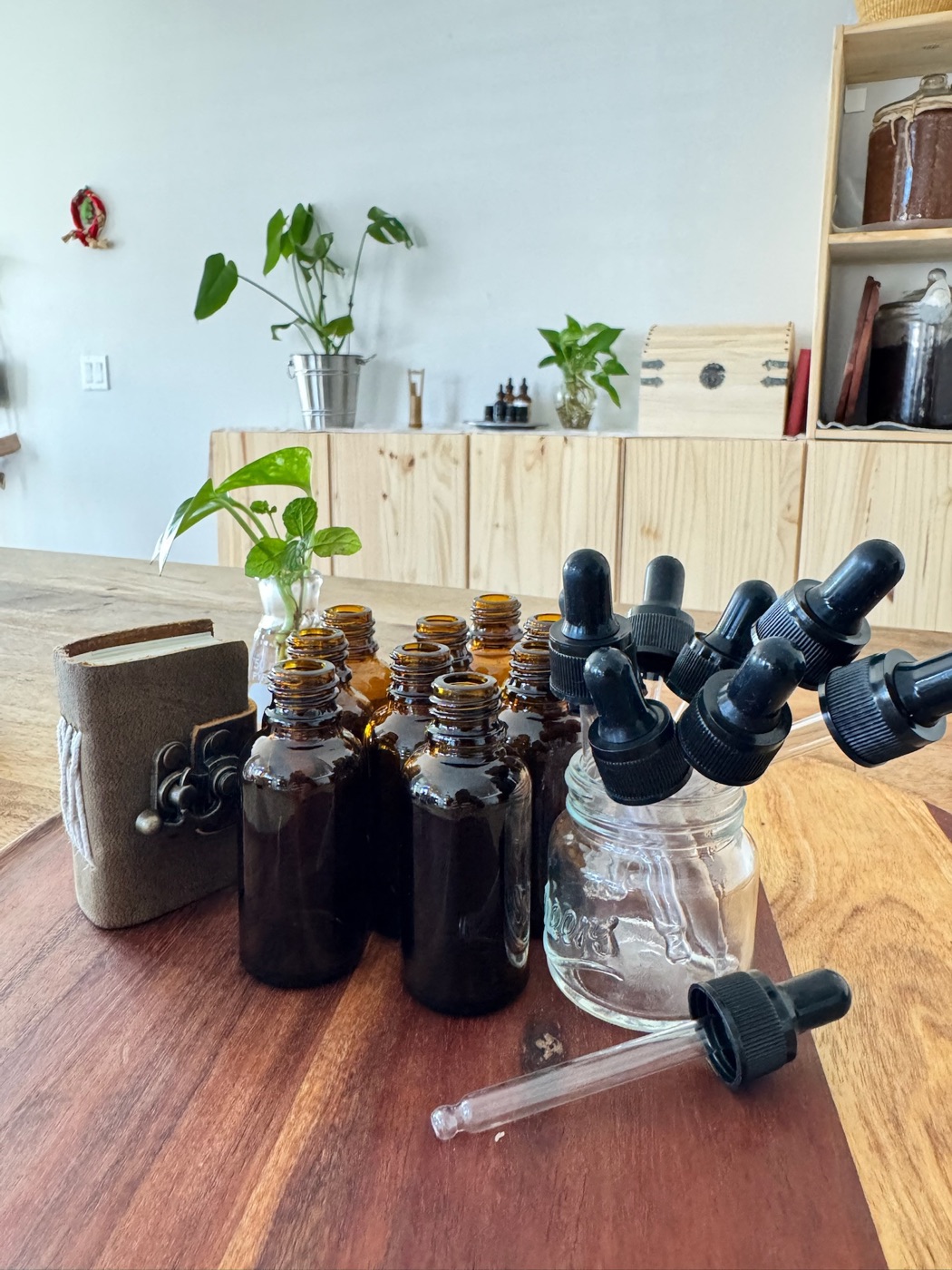
I looked everywhere. The thing I wanted to use was not sold anywhere.
The day I knew that I did not know
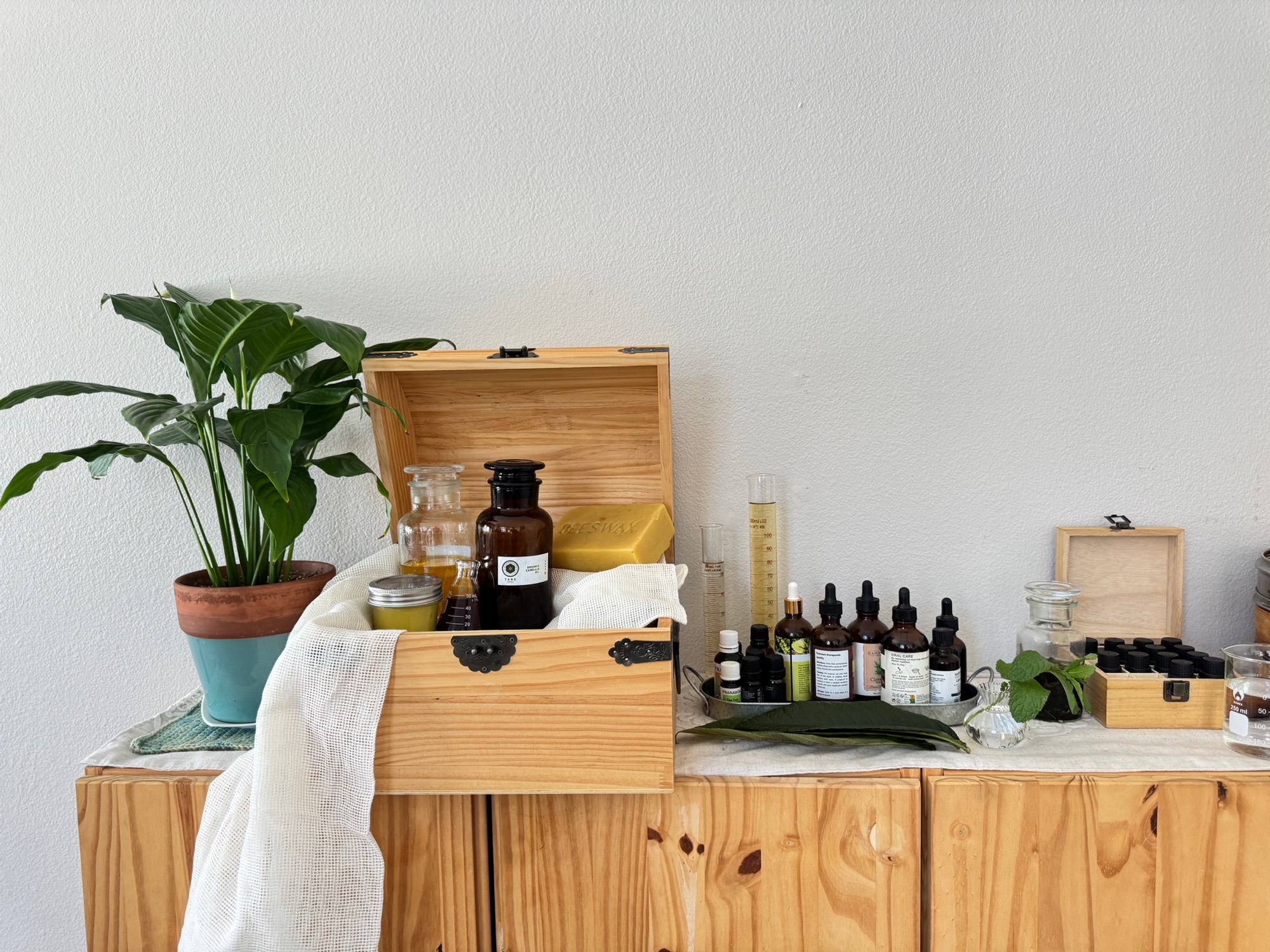
I put it on my face every day. When I think about it, that is a lot of trust.